


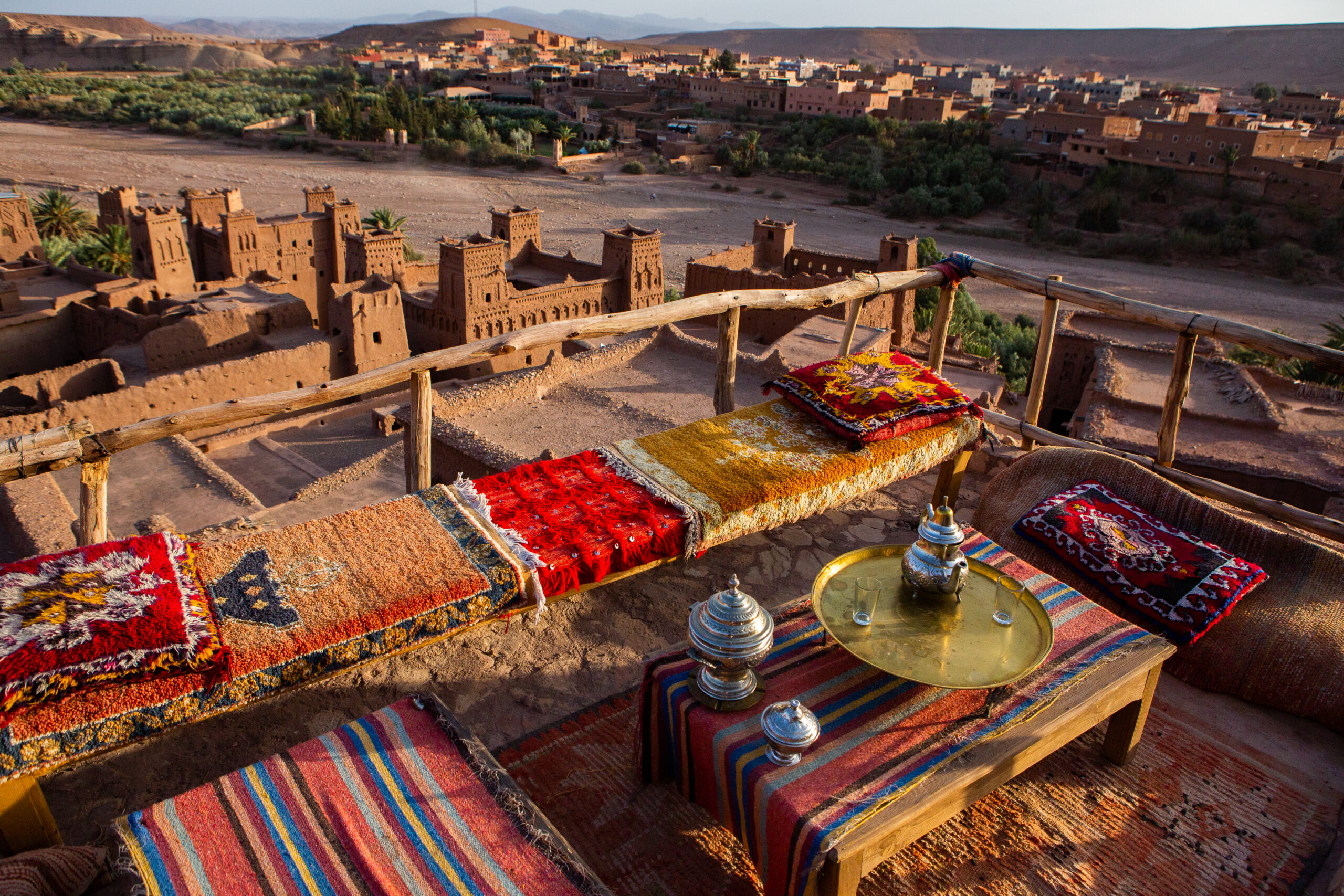
Overview
This 3-day circuit is an express adventure to one of Morocco’s most vast and remote deserts: the Chegaga dunes. Only accessible by 4×4 , this trip guarantees an immersion far from the crowds and features landscapes stretching as far as the eye can see.
It combines the spectacular crossing of the High Atlas and the discovery of the Aït Benhaddou Kasbah (a UNESCO World Heritage site) with the exploration of the lush Draa Valley and its immense palm groves. Get ready for an unforgettable night under the stars in the wild desert
Highlights
- The Great Chegaga Desert: 4x4 Adventure Far from the Crowds
- UNESCO Heritage: The Famous Aït Benhaddou Kasbah
- The Draa Valley: The Lush Oasis and its Palm Groves
- History of the South: Tamegroute Ksour and Ancient Manuscripts
Itinerary
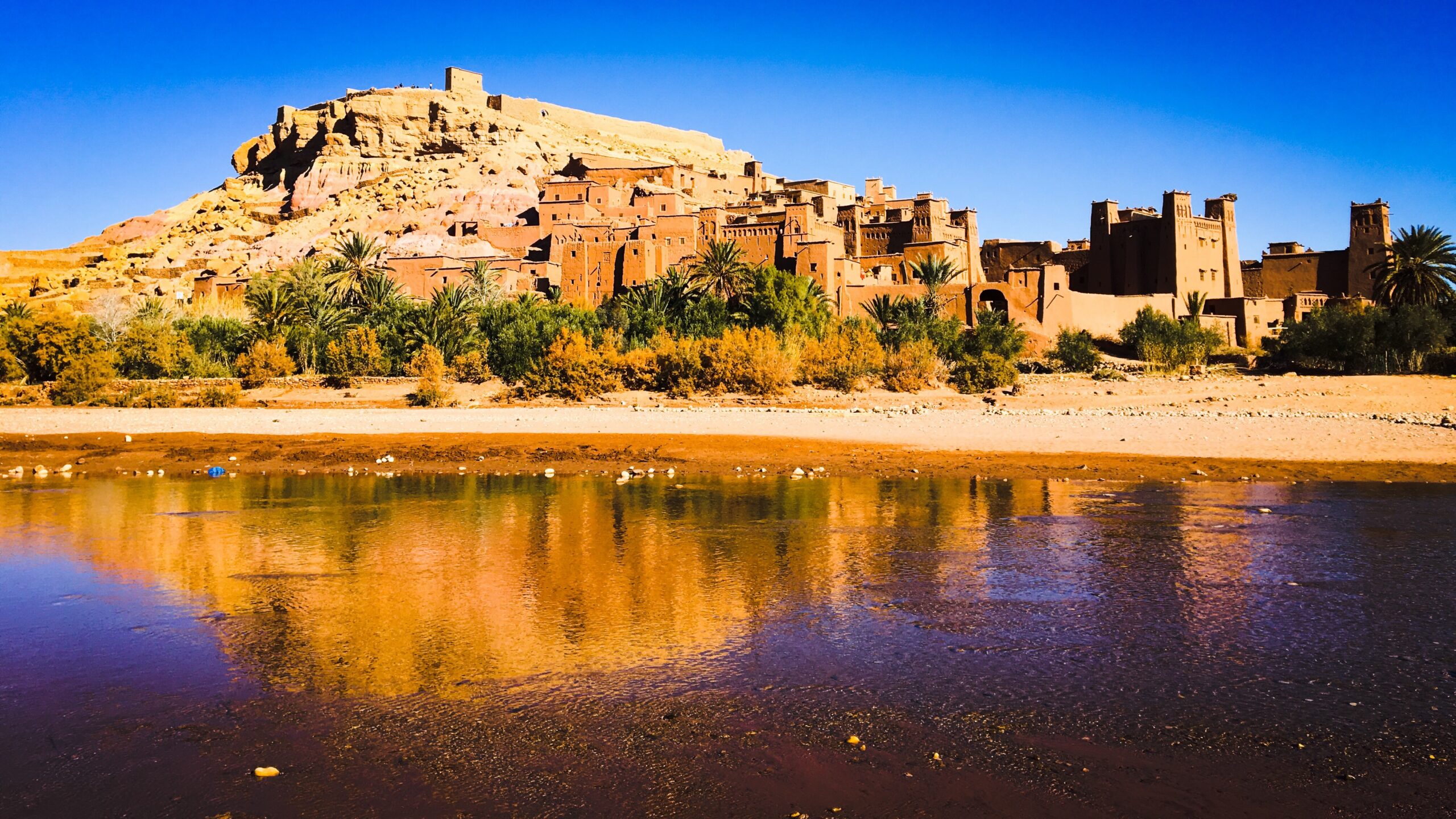
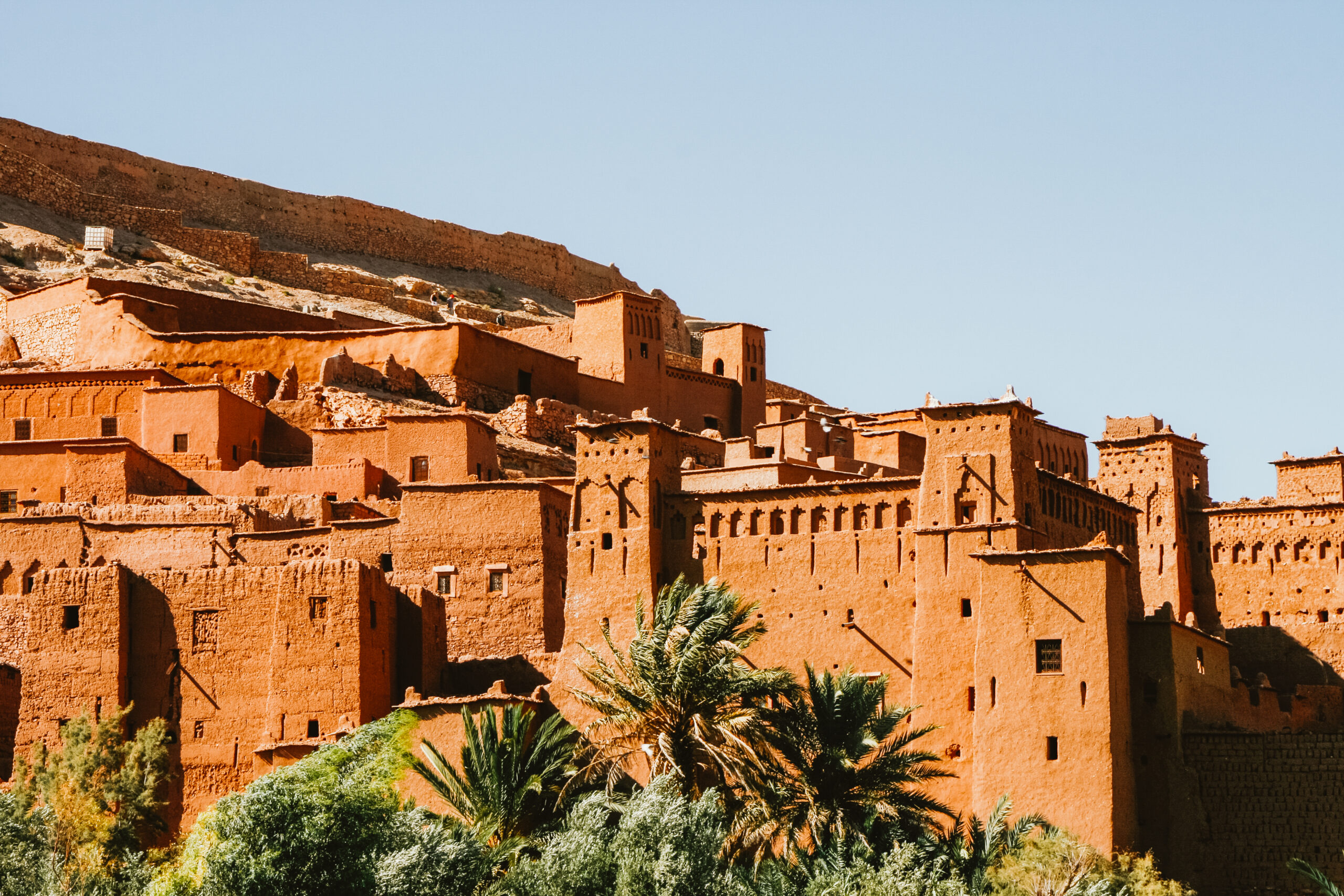
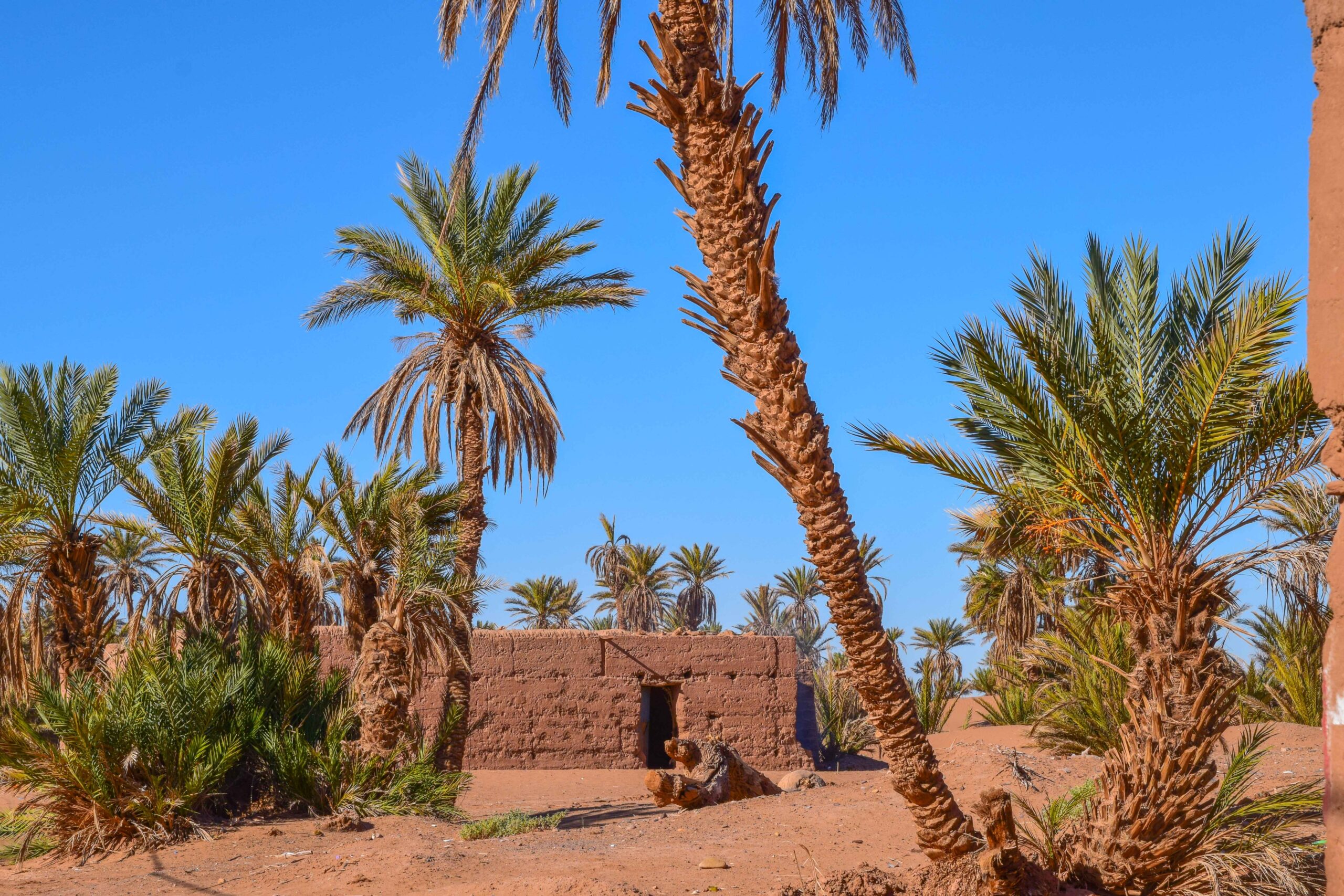
Appuntamento con autista e van per iniziare il tour pianificato , lasciando Marrakech in pianura 420 m destinazione l’alto atlante , dove la strada si arrampica fino a 2260 m di altitudine , la prima sosta tecnica per fare diverse foto dei villaggi fortificati e ammirare il splendido paesaggio di villaggi fortificati fatti in mattoni crudi situati in posizione defilato, dopo il famoso villaggio di (AIT BEN HADDOU) dichiarato patrimonio mondiale dell'umanità ( UNESCO) , dove hanno girato tantissimi film come : lawrence d’arabia- gesù di nazareth- il gioiello del nilo - il gladiatore. Visita del sito pranzo libero , dopo proseguiamo a Ouarzazate giro orientativo , procede in direzione sud-est verso la valle del Draa , formata da un sottile corso d'acqua proveniente dall’alto atlante , la partie più rigogliosa e più affascinante di questa valle si trova tra Agdz e Zagora , lungo un tratto di circa 95 km l’albero dominante e la palma da dattero , una immensa diga idraulica - situata sul fiume Draa , e stata costruita nel 1971 e trattenere 560 milioni di metri cubi d'acqua . il suo scopo e controllare il flusso del fiume, regolare la distribuzione dell ’acqua e quindi migliorare l'irrigazione delle culture lottare contro la desertificazione e migliorare il tenore di vita della popolazione locale ,continuiamo la strada con varie soste tecnici fotografici fino a Zagora sistemazione e cena in riad .
Al mattino dopo colazione, direttamente al famoso villaggio Tamegroute ,è sicuramente il posto adatto per smaltire lo stress . La sua biblioteca è una che ospita i manoscritti più antichi del Marocco . E famoso per labirinto di Ksour che potrete esplorare con una guida locale ,dopo la visita proseguiamo verso la città di M'hamid El Ghizlane si trova nell’estremo deserto Marocchino orientale .Ha una clima desertico secco e considerata la prima area ad attrarre turisti per via del suo pittoresco deserto,cambiare il mezzo di trasporto van con fuoristrada 4x4 , per raggiungere le dune di Chegaga si trovano a 50 km a ovest di Mhamid , sono campi di dune di sabbia e sono raggiungibili solo con veicoli 4x4 , sono una destinazione turistica di prim'ordine.Le dune brillano durante il giorno come un miraggio e si estendono a perdita d’occhio . il vasto ambiente naturale , che si estende per oltre 40 km ed è molto aperto, è lo scenario ideale per scattare foto meravigliose, arriviamo al campo tendato per una notte indimenticabile cena e sistemazione.
Sveglia al mattino presto per assistere all'alba i diversi colori delle dune rispetto a quelli del tramonto , dopo colazione ritrovo di nuovo per tornare in dietro a La Mhamid sempre con fuoristrada 4x4 all'arrivo cambiamo di nuovo il mezzo, prendiamo nostro van per tornare indietro verso Marrakech attraversando sempre il medio Atlante e l'alto Atlante , quindi la stessa strada dell'andata , pranzo lungo la strada libero , dopo continuiamo con varie soste tecnici e fotografici , arriviamo in tardi pomeriggio a Marrakech sistemazione cena libera, fino servizio.
Cost
The Cost Includes
- Accommodation: Nights in quality Riads/Kasbahs and in a desert camp.
- Meals: All breakfasts (daily).
- Southern Dinners
- Transportation: Private air-conditioned vehicle with a professional driver/guide
The Cost Excludes
- Flights: International and domestic flight tickets.
- Entry Fees: Entrance tickets to monuments, museums, and tourist sites (eg, Kasbah Amridil, cinema studios).
- Tips
FAQs
Annapurna Base Camp is a Grade B or a moderately difficult trekking route. So any fit person can do this trek, even if you do not have any previous experience. You should be aware of what to expect and mentally prepare for it. Then, as long as you will too, you can.
On average, you walk about 4 to 6 hours per day. One or two days can be as less as 3hrs and one or two days can be as long as 7hrs.
The highest altitude reached is 4190m. This is the elevation of Annapurna Base Camp. ABC is the highest we will climb in this trek.
Yes, you can charge batteries en route. Charger should be brought. There are hot shower facilities as well. You may have to pay a certain amount for both ($1-$2). Negotiate. Also, a hot water facility could be free at a lower elevation.
No. There are no ATMs on this trek route. You will have to draw enough cash in Pokhara or Kathmandu. There are a number of ATMs in these cities. Everything is paid in Nepali rupees. So money should be exchanged before the start of the trek.
Yes. The Internet can be accessed in most places. Sometimes, there might be some technical problems. The Internet in Nepal is not as fast as you are used to and at times you can just lose connection.
Not really. It depends on you. If you want, ABC trekking can be done independently. You could hire a guide and a porter by yourself instead of going through an agency or not hire a guide at all. Although, not having a guide can be a little problematic during the offseason.
It really depends on you. Is it your first time in Nepal? How confident are you of being able to find your way around? How pressed on time are you? If you go through an agency, it will be costlier but everything will be planned. You will only have to come, trek and return.
For the Annapurna region, pay for guides range from $20 to $30 per day and porters take $15 to $25 per day.